AOD-9604 (5mg)
$45.00

* The information on this page is a summary and is not intended to cover all available information about this medication. It does not cover all possible uses, directions, precautions, drug interactions or adverse effects and is not a substitute for the expertise and judgement of your healthcare professional.
Buy AOD-9604 5mg Online
Buy AOD-9604 5mg online in usa at the premier provider for buy high-quality research chemical compounds online usa since 2009, MyChems simplifies procurement for laboratories mapping out how to buy research chemicals safely. Our catalog features a comprehensive range of substances, including Benzodiazepines usa and Lysergamides usa, as well as Tryptamines usa, peptides usa, and SARMs usa, ensuring that research facilities have reliable access to the materials necessary for their specific projects. research chemicals for sale usa.
Key Specifications
| Category | Parameter | Specification / Details |
|---|---|---|
| Identification & Nomenclature | Primary Compound Name | AOD-9604 (HGH Fragment 177-191) |
| CAS Registry Number | 221231-10-3 | |
| Sequence / IUPAC | Tyr-Leu-Arg-Ile-Val-Gln-Cys-Arg-Ser-Val-Glu-Gly-Ser-Cys-Gly-Phe | |
| Chemical & Physical Properties | Molecular Formula | C78H123N23O23S2 |
| Molar Mass / Weight | 1815.1 g/mol | |
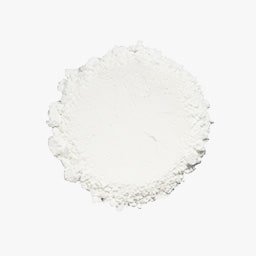
| Physical Appearance | White lyophilized (freeze-dried) solid/powder | |
| Solubility Profile | Highly soluble in Bacteriostatic Water and sterile water. | |
| Product Specifications | Tested Purity | ≥98% via HPLC |
| Active Ingredient (Total) | 5mg per vial | |
| Dry / Powder Formulations | Lyophilized powder | |
| Handling & Logistics | Storage Guidelines | Lyophilized: Store at -20°C for long-term stability. Protect from light.Reconstituted: Must be refrigerated at 2°C to 8°C. |
| Estimated Shelf Life | 24 months from manufacture date (lyophilized). | |
| Terms of Application | For laboratory research purposes only. Not for human or veterinary use. Investigated as a C-terminal peptide fragment of hGH to evaluate beta-3 adrenergic receptor modulation and targeted lipolysis in in-vitro adipocyte assays, specifically without inducing IGF-1 or altering glucose homeostasis. |
Foundational Scientific Overview
AOD-9604 (5mg) is a highly specialized subject within the field of localized lipolysis and beta-adrenergic receptor modulation. Synthesized as a modified C-terminal fragment of human Growth Hormone (tyrosine-hGH 177-191), it has become a staple for researchers examining fat catabolism without the associated anabolism, IGF-1 elevation, or insulin resistance typical of full-length GH.
At 4 Amino Labs, we provide this highly purified peptide fragment to ensure experimental reproducibility across varied lipid metabolic assays.
Scientific Literature Reference: The biochemical isolation of the lipolytic domain of human growth hormone, proving its capacity to upregulate fat oxidation independently of the growth hormone receptor, is a cornerstone of lipolytic research. See: Heffernan, M. A., et al. (2001). “The effects of human GH and its lipolytic fragment (AOD9604) on lipid metabolism following chronic treatment in obese mice and beta(3)-AR knock-out mice.” Endocrinology, 142(12), 5182-5189.
Frequently asked questions
A seemingly elegant design can quickly begin to bloat with unexpected content or break under the weight of actual activity. Fake data can ensure a nice looking layout but it doesn’t reflect what a living, breathing application must endure. Real data does.
Websites in professional use templating systems. Commercial publishing platforms and content management systems ensure that you can show different text, different data using the same template. When it’s about controlling hundreds of articles, product pages for web shops.
A seemingly elegant design can quickly begin to bloat with unexpected content or break under the weight of actual activity. Fake data can ensure a nice looking layout but it doesn’t reflect what a living, breathing application must endure. Real data does.
Websites in professional use templating systems. Commercial publishing platforms and content management systems ensure that you can show different text, different data using the same template. When it’s about controlling hundreds of articles, product pages for web shops.




 Benzodiazepines
 Controlled Substances
 Tryptamines
 Lysergamides
 Sarms
Sarms
Reviews
Clear filtersThere are no reviews yet.